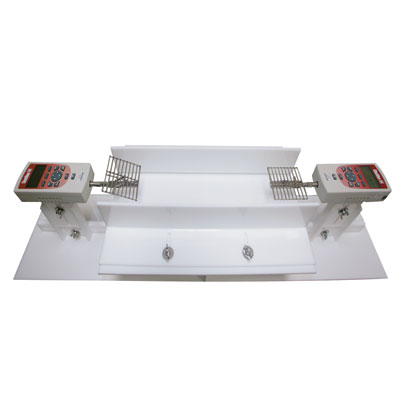
Rodent Grip Strength Meter
Test grip strength more easily than ever before with Force Guide tracking for consistent force.
SDI’s Animal Grip Strength System for rats and mice, provides accurate and repeatable measurement of forelimb and hindlimb strength in your test subjects for neuromuscular and behavioral research application. The digital force measurement can be reviewed in real time with the use of software and all data points stored in a database for review. The system offers reliable grip strength analysis for both routine and advanced experimental protocols.
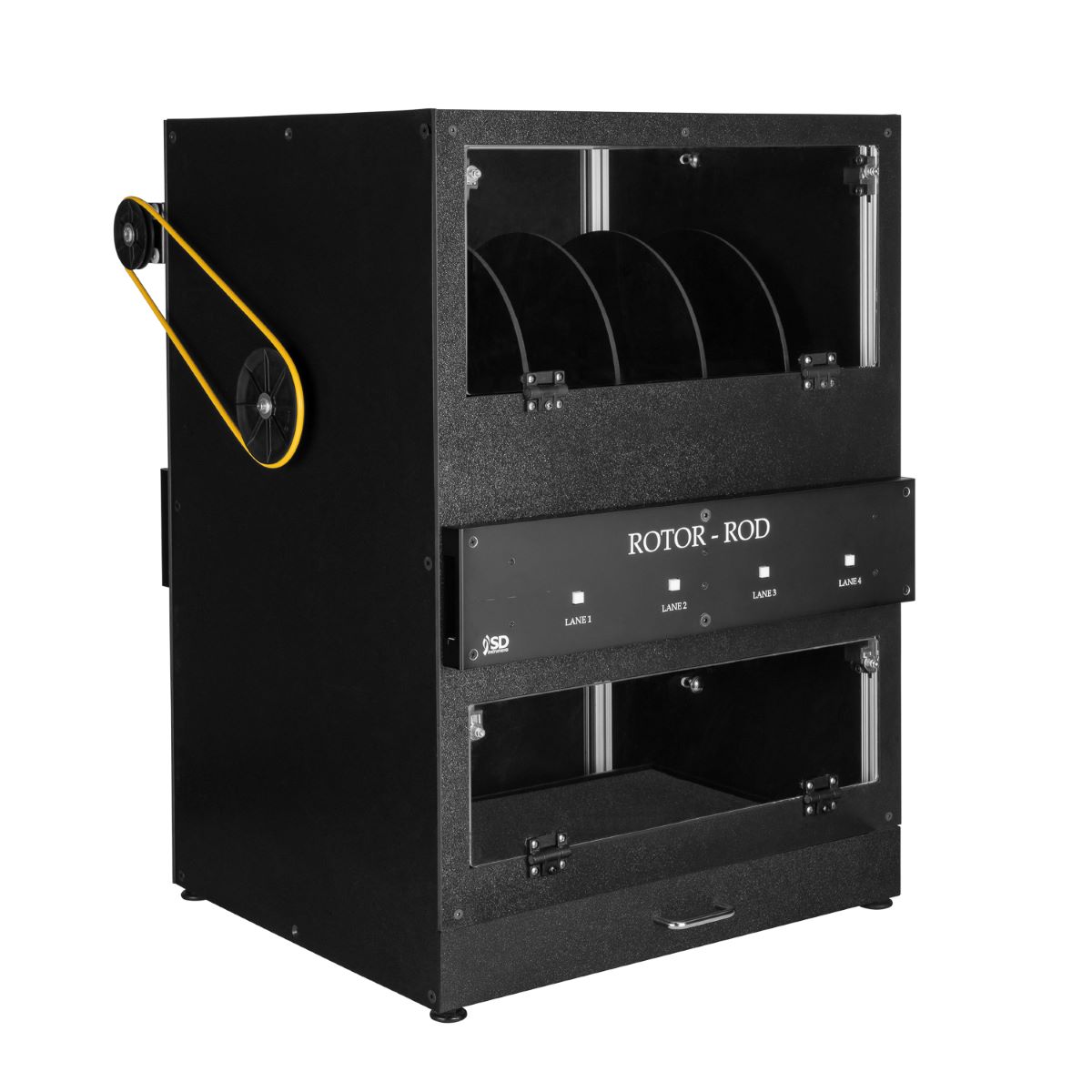
Rotor Rod
Rotor Rod allows you to study motor coordination using the natural fear of falling response with reliability and accuracy.
SDI’s ROTOR-ROD™ System exploits the natural fear of falling response to help you study motor coordination. To be sure other stimuli don’t interfere with your results, SDI’s rotarod test offers a greater range of falling heights and strategically placed photobeams to avoid false falls, unlike other systems.
Available in three sizes to accommodate mice, rats, or both, this rotarod test also gives you the option to predefine all study sessions in advance —saving time and providing maximum accuracy.
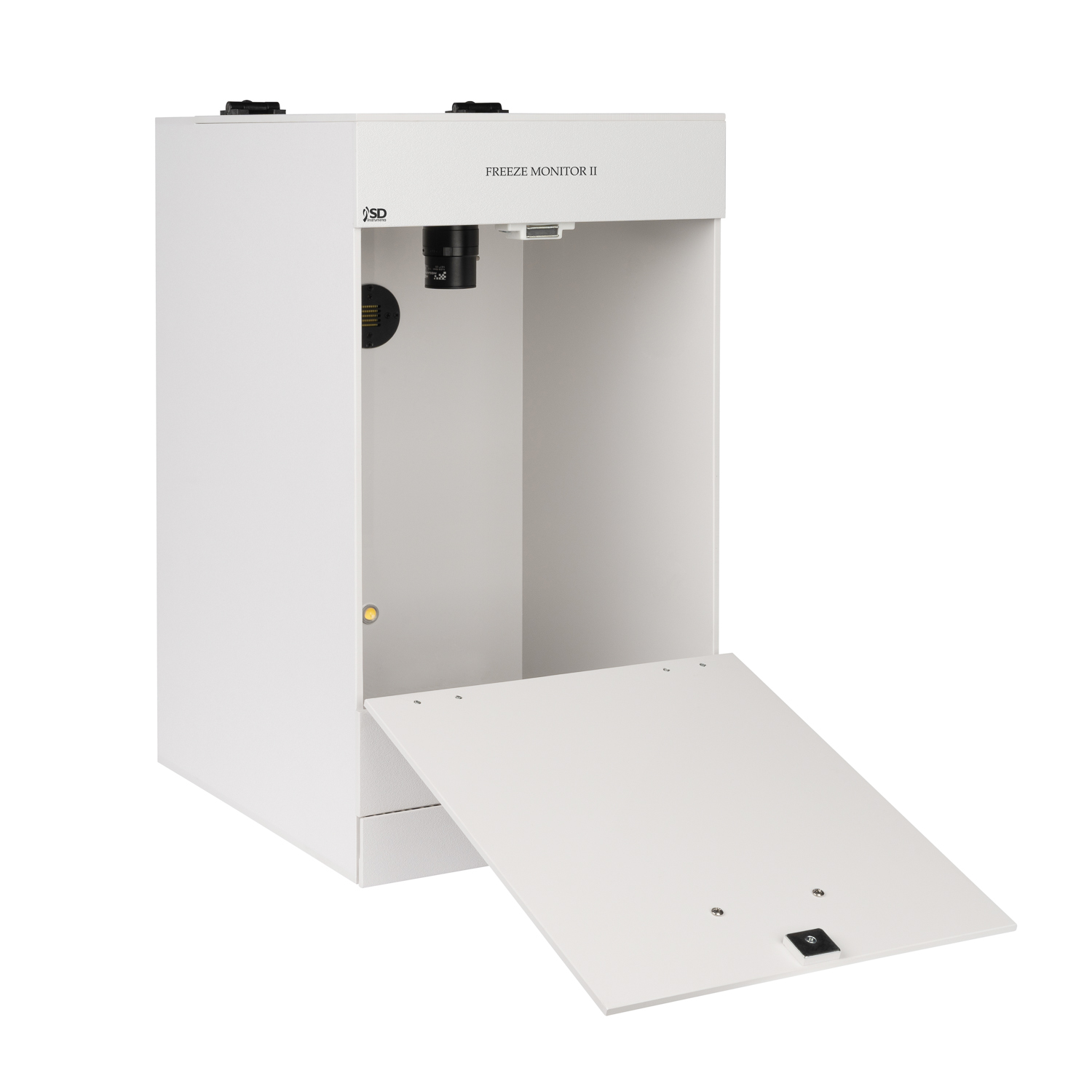
Freeze Monitor II
Study cued and contextual fear conditioning in rats and mice.
SDI’s Freeze Monitor system is a fully computerized system designed to study cued and contextual fear conditioning. Freeze Monitor video software utilizes machine learning and image processing algorithms to detect freezing The subject can be forced into a freezing defensive posture by utilizing auditory cues, light cues and a shock cue. The included software provides the user with the ability to control the cue type and cue duration. Your tests will provide highly accurate data , along with the ability to pre-define your test sessions—eliminating run time errors. Confirm shock output with SDI’s Shock Level Tester
Once testing is complete, access and export your freeze monitoring data from a single file, ensuring no tests go missing inadvertently.
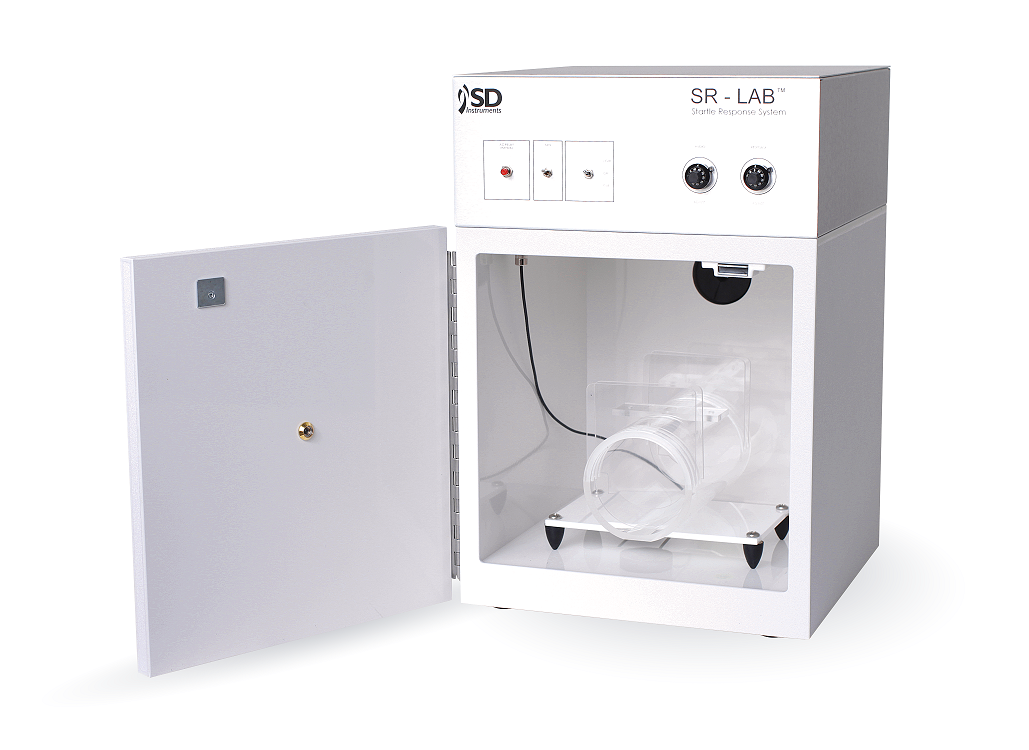
SR-LAB
Prepulse Inhibition (PPI) System for Acoustic Startle Response
The SR-LAB startle response system is the world’s most widely used startle reflex research system for measuring startle habituation, pre-pulse inhibition (PPI) and Fear Potentiated Startle (FPS).
SR-LAB provides a complete hardware and software solution for a wide variety of startle applications. The system can be configured with up to 16 stations for high through put.
SR-LAB software controls virtually any combination of tones, noise bursts, lights, air puffs, background noise and foot shock options. Importantly, SR-LAB supports multiple test paradigms without requiring costly add-on kits or additional software.
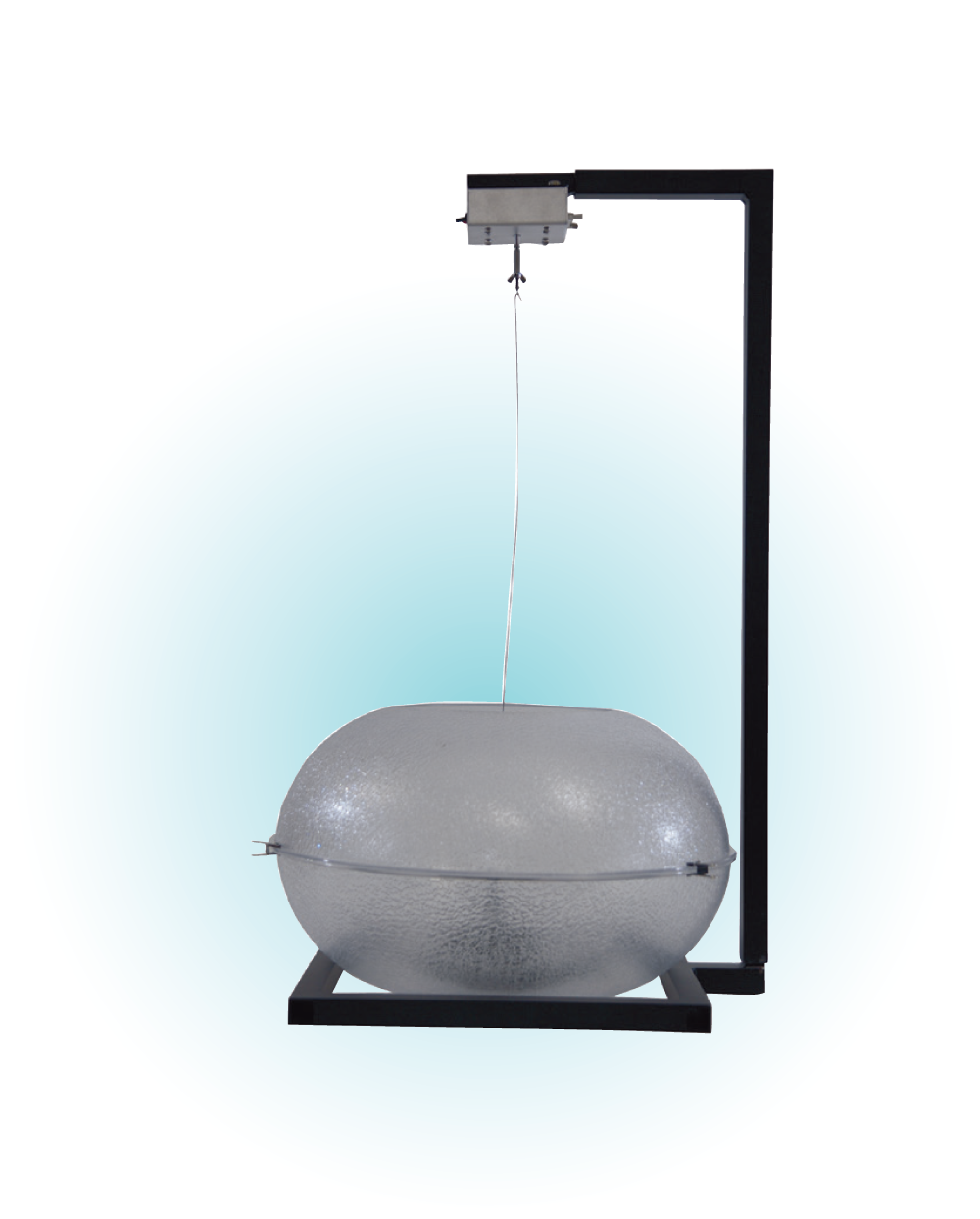
Rotometer
Get the most reliable and accurate test results with the Rotometer Activity System, widely-used and cited in research of Parkinson’s disease (PD), Traumatic Brain Injury (TBI), acquired brain injury, and spinal cord injury. The SDI Rotometer test stations are designed to make the animal turn within its own length, which ensures exploratory behavior will not be counted as a rotation. Additionally, you will have greater flexibility with the option to run up to 16 stations from a single computer and choosing between the full-turn or quarter-turn options. Read our Blog on recording rotations in animals.
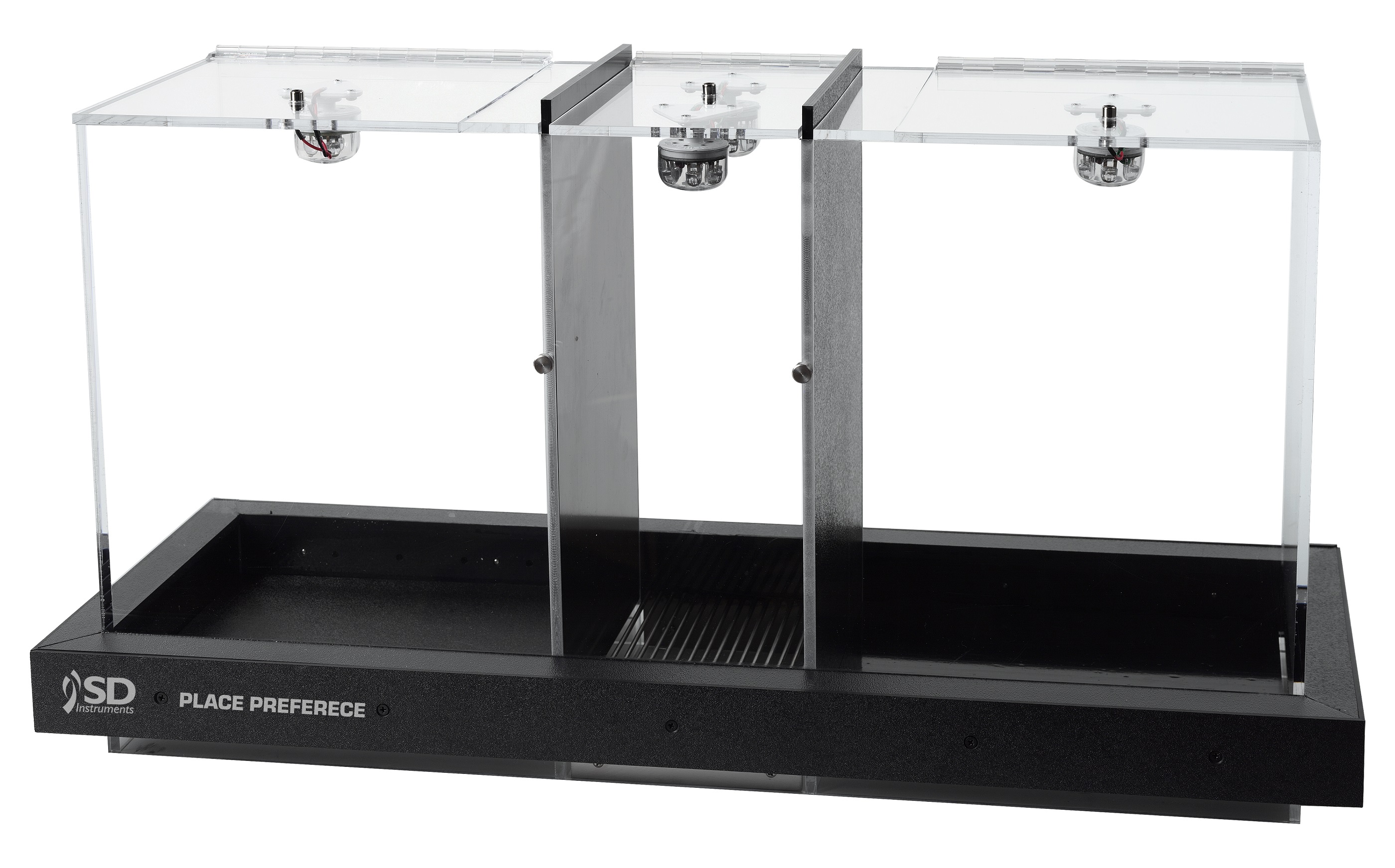
Conditioned Place Preference
Capture every movement of your subject using Place Preference-The only system that allows you to capture x,y positioning of the animal.
SDI’s Conditioned Place Preference System is the most powerful, flexible and easy-to-use system for measuring the motivational effects of an object or stimuli. SDI’s Conditioned Place Preference System employs a 4×16 photobeam array to precisely record entries into chamber and time in chamber. In addition, the system accurately records and reports standard activity data such as ambulation movements, fine movements and time-stamped (x,y) positions.
The Conditioned Place Preference Control Unit connects to the computer via USB, making laptops available to run the system. The system utilizes a database to store all study results in a single file (table) format ready for export. This eliminates the need to cut and paste multiple files together in order to export study results to statistical packages.
The test enclosure is designed with clear acrylic walls providing the ability to attach any type of cue. Removable floors allow the user to create custom floors from virtually any material to meet specific study requirements. High-intensity LED ceiling lights are long-lasting and emit no heat. Manually operated doors rise fully, providing an unobstructed pathway for the subject to cross between chambers.
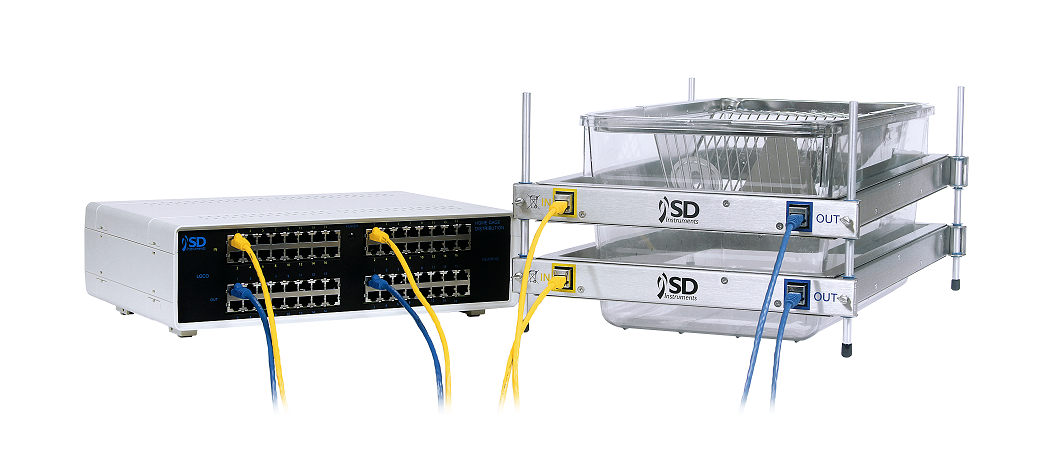
Photobeam Activity System-Home Cage
Photobeam Activity System-Home Cage
Get the most accurate qualitative analysis of mouse or rat home cage activity with Photobeam Activity System-Home Cage (PAS-HC). Your locomotor activity tests will be reliable and accurate with data ready for analysis in a single study file.
Unlike other systems, your subject’s locomotor activity will be precisely tracked by a 4×8 photobeam configuration that reports breaks in real time, requiring no special calibration. Test up to 32 stations at a time for as long as seven days-or 24 when using the option rearing frame-and set it all up quickly with no technical knowledge required.
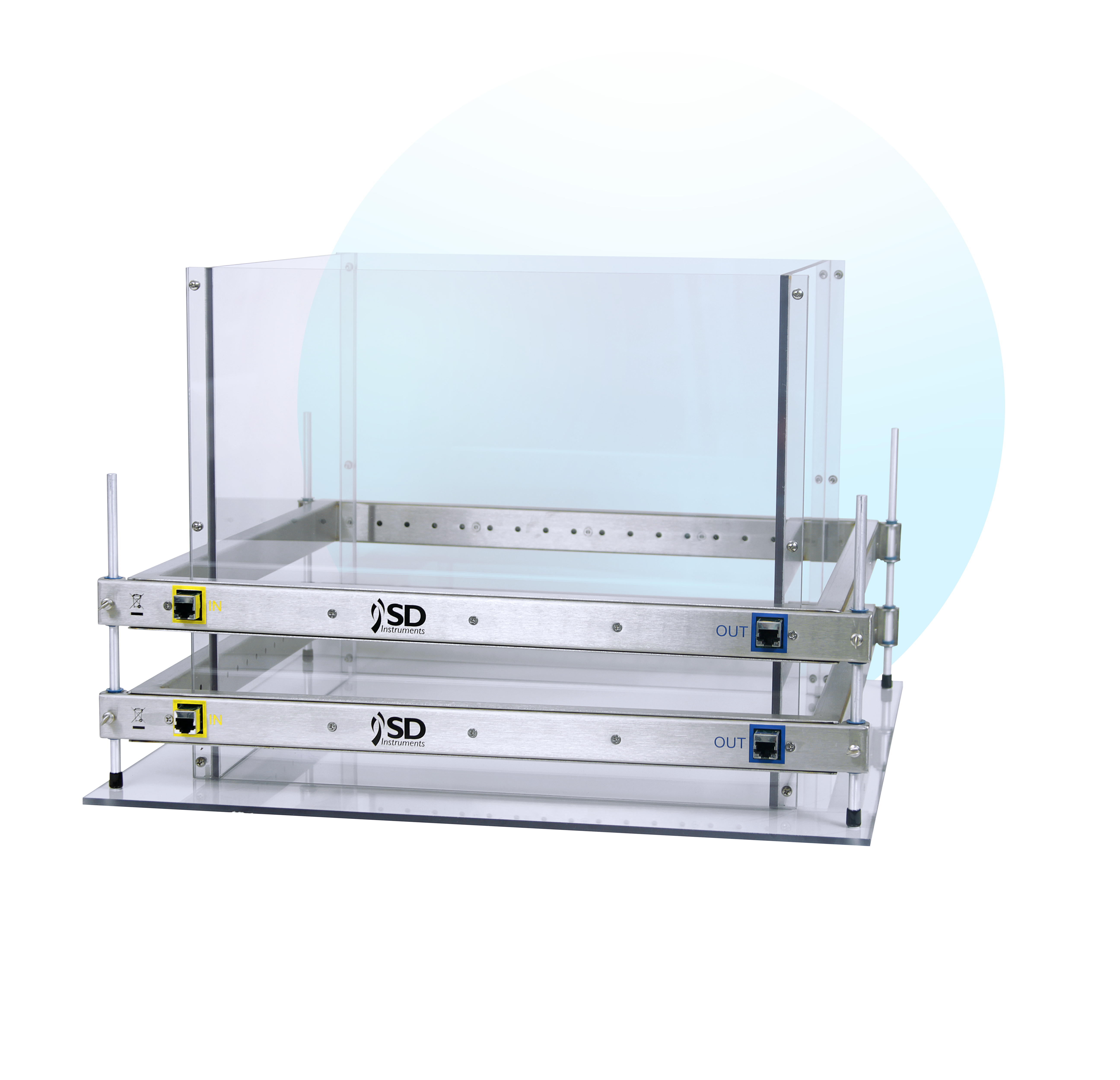
Photobeam Open Field System
The PAS-Open Field provides a powerful solution for applications in which qualitative analysis of the subject’s locomotor patterns is necessary.
Get the most accurate qualitative analysis of anxiety related behaviors in mice or rats with our Photobeam Activity System (PAS)-Open Field. Your locomotor activity tests will be reliable and accurate with ready format data in a statistics package.
PAS-Open Field stations use a 16 x 16 photobeam configuration that offers the option to utilize a rearing frame and/or floor pokes. To accommodate subjects of different sizes, you will be able to position frame height anywhere on the posts.
In addition, the PAS software used for the open field test accurately records all beam interruptions, central peripheral activity, ambulation movements, fine movements, rearing, pokes and time stamped (x,y) positions—giving you the ability to perform analysis at any level of detail needed. It will also store your data in a single file in a Microsoft Access database, providing exceptionally easy export and analysis.
In addition, unlike competitors, all beam breaks are reported in real time so no special calibrators are required.